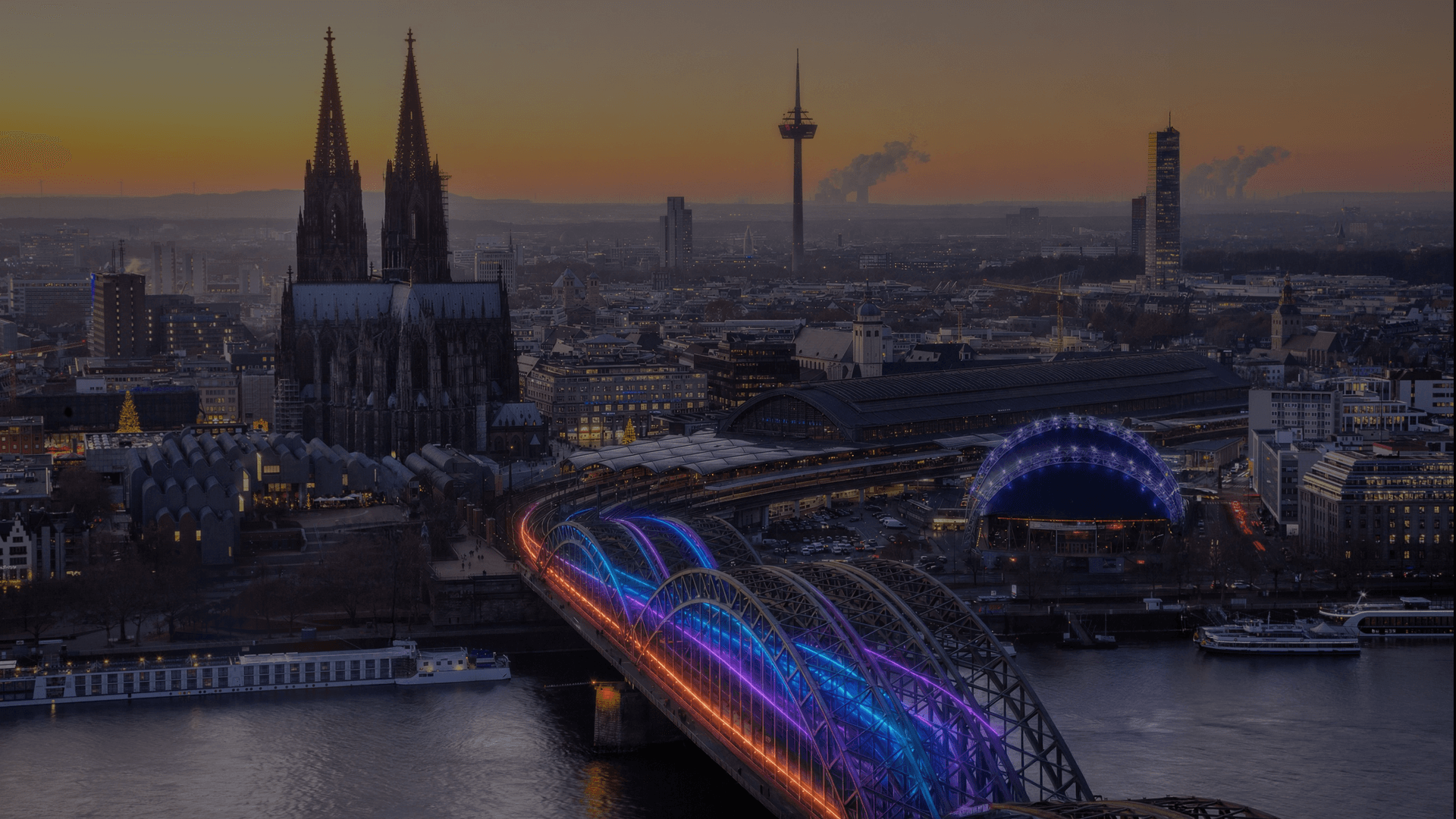
Gamescom was a big one for ZBD this year. We introduced a new suite of embedded financial products for games, bringing together Embedded Accounts, Embedded Payouts, Embedded Rewards and Branded Debit Cards to support how money enters, moves within and exits game environments.1
ZBD gives studios the infrastructure to build financial experiences directly around their games, from player pay-ins and P2P marketplaces to gameplay rewards, loyalty programs connected to everyday spending, creator payouts and more. 1047 Games, Joygame, Udo Games, Turborilla are among a growing roster of game studios partnering with ZBD with integrations spanning the full product suite. GamesBeat covered the full launch, while our product announcement breaks down how the different products fit together.

We also wanted to show what that full money lifecycle can look like in a more tangible way. Gamescom gave us the opportunity to do that through Beam, an invite-only experience for a small group of industry leaders and media.
Inside Beam
On Wednesday night, we hosted Beam, a private interactive installation built around one idea: Stepping Inside the Money Layer. Attendees were invited to scan in, initiating the experience with a $5 voucher represented as 500 “photons.” From there, they moved through a series of interactive trials designed around how value can move inside a game.


The installation played with the three lifecycle stages powered by ZBD’s financial infrastructure: money in, money through and money out. Guests could see value enter the system, move through it and ultimately connect back to real-world payout.
What we heard at Gamescom
A lot of our conversations during Gamescom came back to how studios are focused on creating more value from the players and communities they already have. With revenue and LTV remaining major priorities, teams are also rethinking the financial relationship with players: from how they earn, transact and spend to the way creators and communities participate in the economy, and how game teams can retain more control to fully own player loyalty.
There was particular interest in financial mechanics that can be seamlessly embedded within the game experience rather than adding another layer of 3rd party friction. Those conversations are also moving beyond mobile. With the launch of the ZBD product suite, we spent more time discussing how the expanded infrastructure can support PC and console titles with larger marketplaces, creator communities and player-to-player economies.
More on the trends shaping game growth
Many of the Gamescom conversations connect with themes we’ve been exploring elsewhere around player value and long-term game growth. For a deeper industry perspective, read Hajar Noreddine’s Monetization Masterclass with Gamesforum, where she looks at why retention and revenue go hand in hand, how studios can create more value from existing players, and how rewards with real-world value can support loyalty and monetization without adding friction to the player experience.
Until next time, Cologne

Gamescom is always a blast whether it’s reconnecting with partners and familiar faces or forging new connections with the game studios and publishers driving the industry forward. Thanks to everyone who joined us at Beam, met with the team, or spent time talking through the value that embedded financial infrastructure can provide. We’re very bullish on where gaming is headed and excited to see what studios build with it to fuel the next wave of growth.
If you didn’t catch us in Cologne, explore ZBD’s suite of embedded products for games or get in touch to discuss how they could support your game growth.
- Availability varies by market and by product and is subject to licensing, eligibility, identity verification and minimum age requirements; some features described above are in development or in limited release. ↩︎